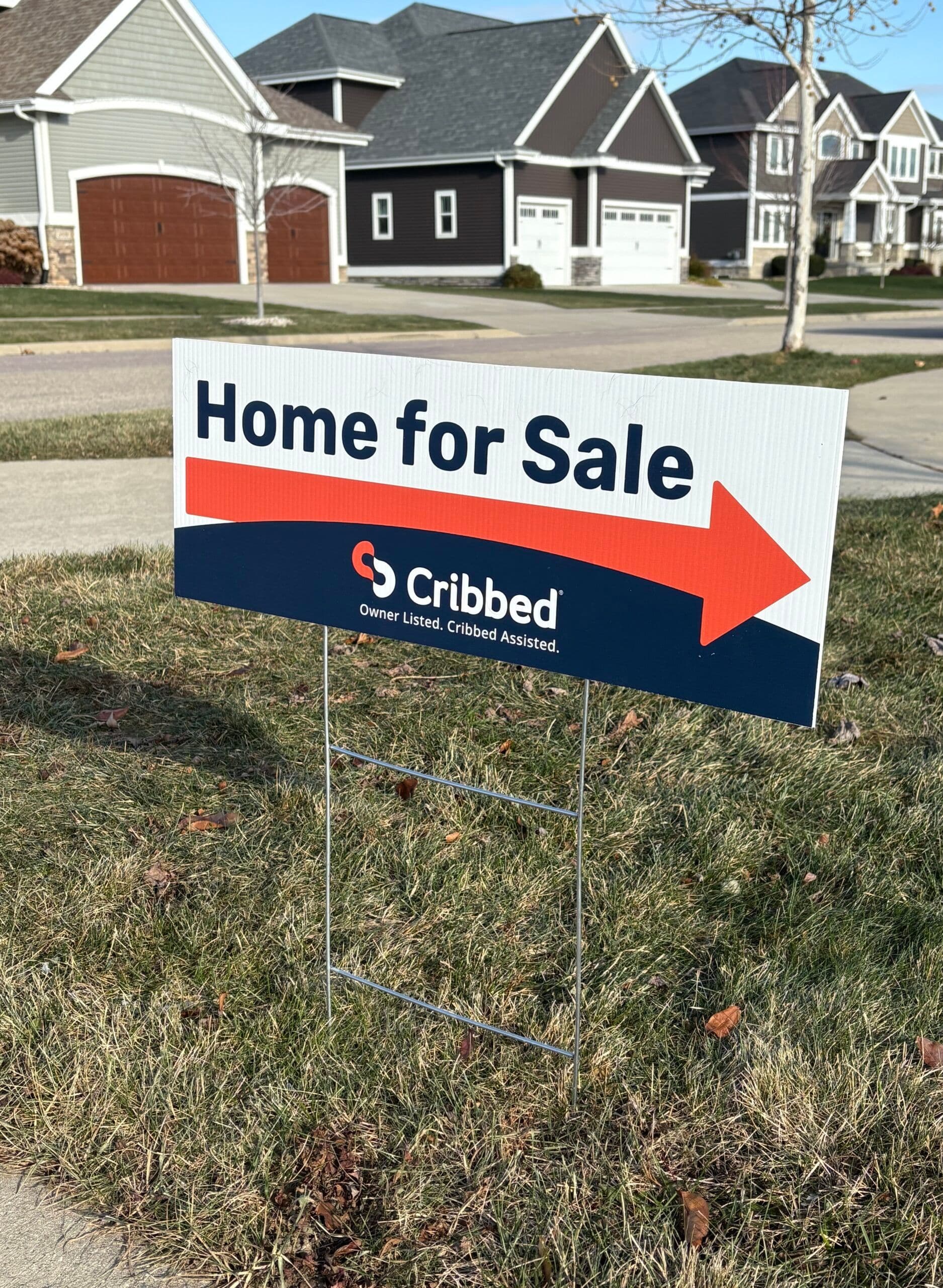
Selling a home is a major financial decision, and homeowners have more than one way to approach the process. Traditionally, many sellers work with a real estate agent who helps market the property, coordinate showings, and guide the transaction. Others choose to sell their homes themselves, taking a more direct role while using professional marketing services and technology to support the sale.
Selling your home yourself can offer greater control, potential cost savings, and more direct communication with buyers. However, it also requires time, preparation, and a willingness to manage important parts of the transaction. Understanding the differences can help you decide which approach best fits your needs.
What Is the Difference Between Selling Your Home Yourself and Using a Real Estate Agent?
When you sell through a traditional real estate agent, you typically hire a listing agent to help price and market your property, manage buyer inquiries, coordinate showings, and guide negotiations and paperwork. The specific services depend on the agent and the agreement you sign.
When you sell your home yourself, often called for sale by owner (FSBO), you take responsibility for the selling decisions and work directly with prospective buyers. You may still use professional photography, listing tools, marketing services, an attorney, or a title company to help with different parts of the process.
Cribbed offers another option through its owner-listed platform. It connects homeowners and buyers directly while providing professional marketing and tools to help organize the selling process. Cribbed is a real estate marketing platform, not a brokerage, and does not represent buyers or sellers as an agent.
You can learn more about how selling on Cribbed works.
1. You May Reduce the Cost of Selling
One of the main reasons homeowners consider selling without a listing agent is the potential to reduce selling expenses.
Traditional listing arrangements commonly involve a negotiated listing-agent commission based on the home’s sale price. When you sell yourself, you may avoid paying a listing-agent commission, depending on the services you choose and your transaction arrangements.
For example, a percentage-based fee can represent a substantial amount of money on a higher-priced property. Selling directly gives you the opportunity to compare the cost of professional marketing services with the cost of a traditional listing arrangement before deciding which option makes financial sense.
However, selling without a listing agent does not eliminate every expense. Sellers may still have title and settlement charges, taxes, mortgage payoff costs, repairs, moving expenses, and other transaction-related costs. If a buyer has an agent, any compensation offered to that agent is a separate matter that can be negotiated.
Cribbed uses package pricing for its listing services rather than a percentage-based listing commission. To understand which expenses may apply to your sale, review Cribbed’s guide to the cost of selling a home.
2. You Stay in Control of Important Decisions
Selling your home yourself allows you to remain directly involved in the decisions that shape the transaction. You choose the asking price, decide when the property is available for showings, review offers, and determine which offer and terms best fit your circumstances.
You also have the opportunity to answer buyers’ questions about the property from your own experience. You know the home’s features, improvements, neighborhood, and maintenance history, which can help you provide useful information to prospective buyers.
Greater control also means greater responsibility. You will need to evaluate market information when setting your price, keep track of inquiries, and carefully review offer terms and deadlines. Some homeowners appreciate this involvement, while others prefer having an agent coordinate more of the process.
The best choice depends on how comfortable you are making decisions and how much time you can dedicate to your sale.
3. You Can Communicate Directly With Buyers
When buyers communicate directly with homeowners, questions and answers can move between the people most closely involved in the transaction. Buyers can ask about the property’s features, updates, and availability, while sellers can learn more about the buyer’s interests and proposed terms.
Direct communication may also make scheduling and follow-up more straightforward. Rather than relying on messages to pass between multiple parties, buyers and sellers can discuss relevant details directly.
That does not mean every conversation will be simple or every negotiation will go smoothly. Buyers may raise concerns about price, inspections, repairs, or closing dates. Sellers need to be prepared to respond professionally and evaluate requests carefully.
Cribbed provides tools for direct buyer-seller communication, showing requests, and offer management. Its goal is to help homeowners organize the process while remaining in control of their decisions.
4. You Can Choose Professional Marketing Without a Traditional Listing Arrangement
Selling your home yourself does not mean you have to handle every task without support. Professional photography, floor plans, virtual tours, signage, and a well-written listing can help present a property clearly to prospective buyers.
The services available will depend on the platform or providers you choose. Before selecting a selling method, compare what is included, what costs extra, and where buyers will be able to find your listing.
Cribbed offers professional marketing features and listing tools through its packages. Depending on the package and property type, these may include professional photography, floor plans, a 360-degree tour, signage, and tools for handling inquiries and offers. Cribbed also provides guided steps for sharing listings with Zillow and Redfin; availability and requirements can vary by location.
For more information about preparing your property and creating a listing, visit Cribbed’s guide to getting your home listed.
Professional presentation can help buyers understand what your property offers, but no marketing approach guarantees a particular sale price or outcome. Pricing, property condition, buyer demand, and showing availability all matter.
5. You Can Build a Selling Process Around Your Needs
Every homeowner has different priorities. Some want to minimize expenses, while others need more help coordinating the sale. Your timeline, comfort with negotiations, property type, and local market can all influence which approach works best.
Selling yourself gives you more direct responsibility for organizing the process. You will need to prepare the home, set a price, manage showings, review offers, complete required disclosures, and keep track of the steps leading to closing. You can choose professional services to help with specific tasks where you need support.
Working with a traditional agent may be a better fit if you want someone to provide hands-on guidance, help coordinate the transaction, or advise you through complex negotiations. Keep in mind that the scope of an agent’s services varies, so it is important to understand the listing agreement before signing.
A platform such as Cribbed can offer a middle-ground approach for homeowners who want to sell directly while using professional marketing and organized tools. The platform supports the process, but the homeowner remains responsible for the selling decisions.
What Should You Consider Before Selling Your Home Yourself?
Before choosing a selling method, think about the time you can commit, your familiarity with local market conditions, and your comfort level with paperwork and negotiations.
You will need to determine an appropriate asking price, prepare the property for photographs and showings, respond to buyer questions, evaluate offers, and understand the documents involved in the transaction. Depending on your location and circumstances, working with a qualified real estate attorney or other professional may be useful or necessary. You can also review federal guidance on housing discrimination from the U.S. Department of Housing and Urban Development (HUD) (opens in a new tab).
You should also consider how your home will be marketed and how prospective buyers will contact you. Compare the total cost of each option, not just the listing fee. Look at the services included, any additional fees, and the other expenses you may incur before and at closing.
Most importantly, avoid assuming that one method is automatically better for every seller. A traditional agent may provide valuable assistance, while selling directly may offer savings and control for a homeowner who is prepared to take on more responsibility.
Is Selling Your Home Yourself the Right Choice?
Selling your home yourself may be worth considering if you want more control over the process, want to explore alternatives to a percentage-based listing commission, and feel comfortable working directly with buyers. Professional marketing and organized selling tools can help you manage the process without using a traditional listing arrangement.
A traditional real estate agent may be a better choice if you prefer more hands-on representation or do not have the time or confidence to manage the sale yourself.
Cribbed was designed for homeowners who want to sell directly while still having access to professional marketing and tools for organizing the steps from listing to closing. To compare the process and available services, visit Cribbed.com and explore your options.
The right selling method is the one that aligns with your financial goals, your available time, and the level of support you want throughout the transaction.