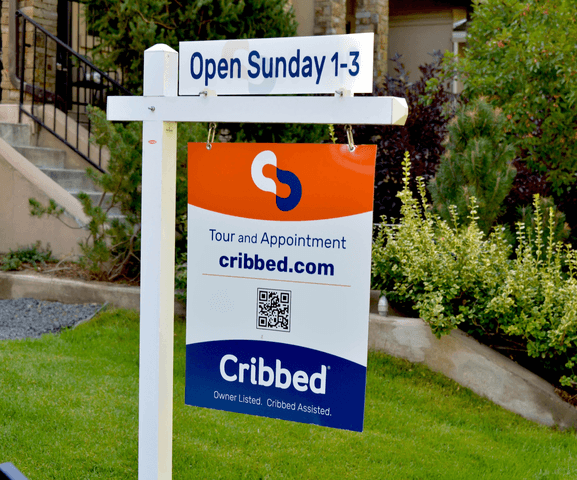
Best time to sell your home depends on more than the season. Local market conditions, buyer demand, competing listings, and your personal timeline all play a role in deciding when to put your property on the market. While spring and early summer are often active periods for home sales, the right timing can look different depending on where you live and what you want to accomplish.
Planning ahead can help you prepare your property, make informed decisions, and approach the selling process with greater confidence. Here’s how to evaluate your timing and decide when you’re ready to list your home.
Understand Seasonal Trends in the Housing Market
Spring is traditionally a popular time to sell a home. Warmer weather, longer daylight hours, and renewed buyer activity can make it an appealing season for both buyers and sellers. Homes may also be easier to present when gardens are growing and natural light makes rooms feel bright.
Summer can offer continued buyer activity, particularly for people hoping to move before a new school year. However, vacation schedules and increased competition from other listings may affect how much attention an individual property receives.
Fall and winter can bring a different set of opportunities. There may be fewer competing listings in some markets, and buyers who are searching during these months may have a specific reason to move. At the same time, weather, holiday schedules, and local demand can influence showing activity.
Seasonal trends are useful starting points, but they should not determine your decision on their own. For a closer look at national trends, explore Realtor.com’s research on the best time to sell a home (opens in a new tab).
Pay Attention to Local Market Conditions
The best time to sell your home can vary significantly by location. National housing trends provide helpful context, but conditions in your city, neighborhood, and price range may tell a different story.
Before choosing a listing date, consider how many similar homes are currently for sale, how long comparable properties are taking to sell, and whether homes are selling close to their asking prices. These details can help you understand the competition your listing may face.
Buyer demand also matters. A period with more active buyers and fewer comparable properties may create favorable conditions for a seller. If many similar homes are available, you may need to pay closer attention to pricing, presentation, and how your listing stands out.
Reviewing recent sales and current listings can help you make a more informed decision than relying on a general rule about the best month to sell. You can also explore Cribbed’s home-selling resources to learn more about your options as an owner-listed seller.
Prepare Your Home Before Listing
Choosing when to sell is only one part of the process. Your home should also be ready to make a strong first impression when prospective buyers begin looking.
Start by addressing repairs, decluttering rooms, and making spaces easier to navigate. Simple improvements, such as cleaning windows, refreshing landscaping, and improving lighting, can help your property look well cared for without requiring a major renovation.
Consider how your home will appear in listing photos, too. Clear, attractive visuals and an accurate description help buyers understand the property and decide whether it meets their needs.
Give yourself enough time to complete these tasks before your preferred listing date. Preparing in advance can reduce last-minute stress and help you launch your listing when you feel ready.
Consider Buyer Demand and Competition
A favorable selling period is not just about having more buyers in the market. It also involves understanding how many other properties buyers can choose from.
When buyer interest is strong and the supply of comparable homes is limited, sellers may face less competition. When more properties are listed, buyers have additional options and may compare prices and features more closely.
Research from ATTOM’s analysis of the best times to sell a home (opens in a new tab) identifies seasonal patterns in seller premiums. However, national statistics describe broad trends rather than predict the result for any individual home.
Use this information as context, not a guarantee. Your property’s condition, asking price, location, and the choices available to buyers can all affect the outcome.
Factor Your Personal Timeline Into the Decision
Market conditions matter, but your own circumstances matter just as much. A new job, a growing family, a planned move, or a change in financial priorities may influence when you need to sell.
Think about how much time you need to prepare your home, arrange your next move, and manage the steps involved in a sale. Consider your financial situation as well, including your remaining mortgage balance, moving expenses, and the cost of purchasing or renting your next home.
Waiting for a supposedly perfect market window may not always make sense if it conflicts with your plans. A practical timeline that balances market information with your needs can help you make a decision you feel comfortable with.
Choose a Selling Approach That Fits Your Goals
Once you have a potential listing date in mind, consider how you want to manage the sale. Homeowners have different priorities when it comes to control, communication, marketing, and the costs associated with selling.
Cribbed offers an owner-listed approach for homeowners who want to remain directly involved in their sale while using available listing tools and professional marketing options. You can explore how to sell your house with Cribbed and review the Cribbed Listing Builder to learn more about getting your property ready to list.
Before moving forward, make sure you understand the services available for your listing, the associated costs, and the responsibilities involved in selling your home. Preparing for these details early can help you make informed choices as you approach your target date.
Find the Right Time for Your Home Sale
The best time to sell your home is the point when market conditions, property preparation, and your personal goals align. Seasonal patterns can help you plan, but local competition, buyer demand, pricing, and your own timeline deserve equal consideration.
Rather than waiting for a perfect date, focus on understanding your market, preparing your property, and choosing a selling approach that fits your needs. With a clear plan, you can approach your home sale with greater confidence and make decisions based on your circumstances instead of the calendar alone.
Ready to explore your options? Visit Cribbed to learn more about the owner-listed selling process.