Buying a New Construction Home? What to Ask Before You Sign
Walking into a new construction model home can make it easy to picture yourself living there. The kitchen looks perfect, the finishes feel modern, and everything appears brand new. But there's one important detail to remember: the model home may not look exactly like the home you're actually purchasing.
Some features may be included in the base price, while others are upgrades that cost extra. Builder incentives may come with conditions, construction timelines can change, and warranty coverage may be more limited than you expect.
Before signing a purchase agreement, take time to understand exactly what you're buying. Whether you're purchasing a completed home or choosing a lot and waiting for construction to begin, asking the right questions can help you avoid surprises.
1. What Is Actually Included in the Purchase Price?
One of the first things to clarify when buying a new construction home is what comes standard. Model homes are often professionally furnished and decorated to showcase the builder's available features. However, not everything you see may be included in the advertised price.
Ask the builder for a written list of standard features and specifications. Find out whether the following are included:
Kitchen appliances, including the refrigerator, dishwasher, oven, and microwave
Cabinet styles, countertops, and kitchen fixtures
Flooring throughout the home
Lighting fixtures and ceiling fans
Window treatments and blinds
Landscaping, trees, and lawn installation
Driveway, patio, deck, and fencing
Garage door openers and other equipment
Also ask whether the model home is the same floor plan and specification level you're purchasing. Get any promised features or materials documented in the contract or an attached specifications sheet.
2. Which Upgrades Cost Extra?
Builders often offer design packages and optional upgrades that allow buyers to customize their homes. These choices can be exciting, but costs can add up quickly.
Ask for an itemized price list before visiting the design center or making selections. You may want to know:
How much do upgraded countertops, cabinets, and flooring cost?
Are there different appliance packages?
Can you choose different paint colors, fixtures, or finishes?
Can you make changes to the floor plan or add extra rooms?
Are there additional costs for electrical outlets, lighting, or plumbing changes?
When is the deadline for making design selections?
Ask whether upgrades must be purchased through the builder or whether you can make certain changes after closing. Some modifications are easier or less expensive to complete during construction, while others may be better handled later.
Most importantly, understand how upgrades affect your total purchase price and whether they require additional deposits or payments before closing.
3. Are There Lot Premiums or Additional Community Costs?
The advertised base price may not include the cost of every lot or all the expenses associated with the community.
Some builders charge a lot premium for properties with desirable features, such as a larger yard, a corner location, a pond view, or a position on a cul-de-sac.
Before choosing a lot, ask:
Does this lot have an additional premium?
Are there restrictions on fencing, landscaping, or exterior changes?
What are the homeowners association (HOA) fees?
Are there community amenities, and do they require additional fees?
Who maintains shared spaces, sidewalks, and common areas?
Are there any planned developments or construction projects nearby?
It's also worth asking how property taxes may change once the home is completed. A vacant or partially developed lot may have a different assessed value than a finished home. Check with the local taxing authority to better understand the potential tax impact.
4. What Incentives Is the Builder Offering?
Builders sometimes offer incentives to attract buyers. Depending on the community and current promotions, these may include closing cost assistance, design upgrades, appliance packages, or financing incentives through a preferred lender.
Before accepting an incentive, ask:
What exactly does the incentive cover?
Is there a minimum purchase price or other qualification?
Do I have to use the builder's preferred lender or title company?
Are there restrictions on how the credit can be used?
When does the promotion expire?
Does accepting the incentive affect the purchase price or other contract terms?
A financing incentive may sound appealing, but it's important to compare the complete loan terms. Ask for a Loan Estimate and compare the interest rate, fees, monthly payment, and other costs with offers from outside lenders.
You are not required to use a builder's affiliated lender simply because one is recommended or an incentive is offered. Compare your options before deciding.
5. What Happens If Construction Is Delayed?
If the home isn't finished yet, the estimated completion date is an important part of your decision. Construction can take longer than expected because of weather, material shortages, labor availability, inspections, or other delays.
Ask the builder:
What is the estimated completion date?
How often will I receive construction updates?
What happens if the home isn't completed by the estimated date?
Can the builder extend the construction timeline?
Are there circumstances in which I can cancel the contract and recover my deposit?
How much notice will I receive before the closing date?
Pay close attention to the contract language about construction delays, extensions, cancellation rights, and deposit refunds. An estimated completion date does not necessarily guarantee that the home will be ready by that date.
If you're selling your current home or arranging temporary housing, consider how a delayed completion could affect your plans.
6. Can I Have the Home Independently Inspected?
A brand-new home isn't automatically a problem-free home. Even newly constructed properties can have issues with workmanship, materials, plumbing, electrical systems, grading, or other components.
Ask whether the builder allows independent inspections during construction and before closing. Depending on the stage of construction, you may want to arrange inspections at important milestones:
Foundation inspection: Reviews the foundation and related work before it is covered by concrete.
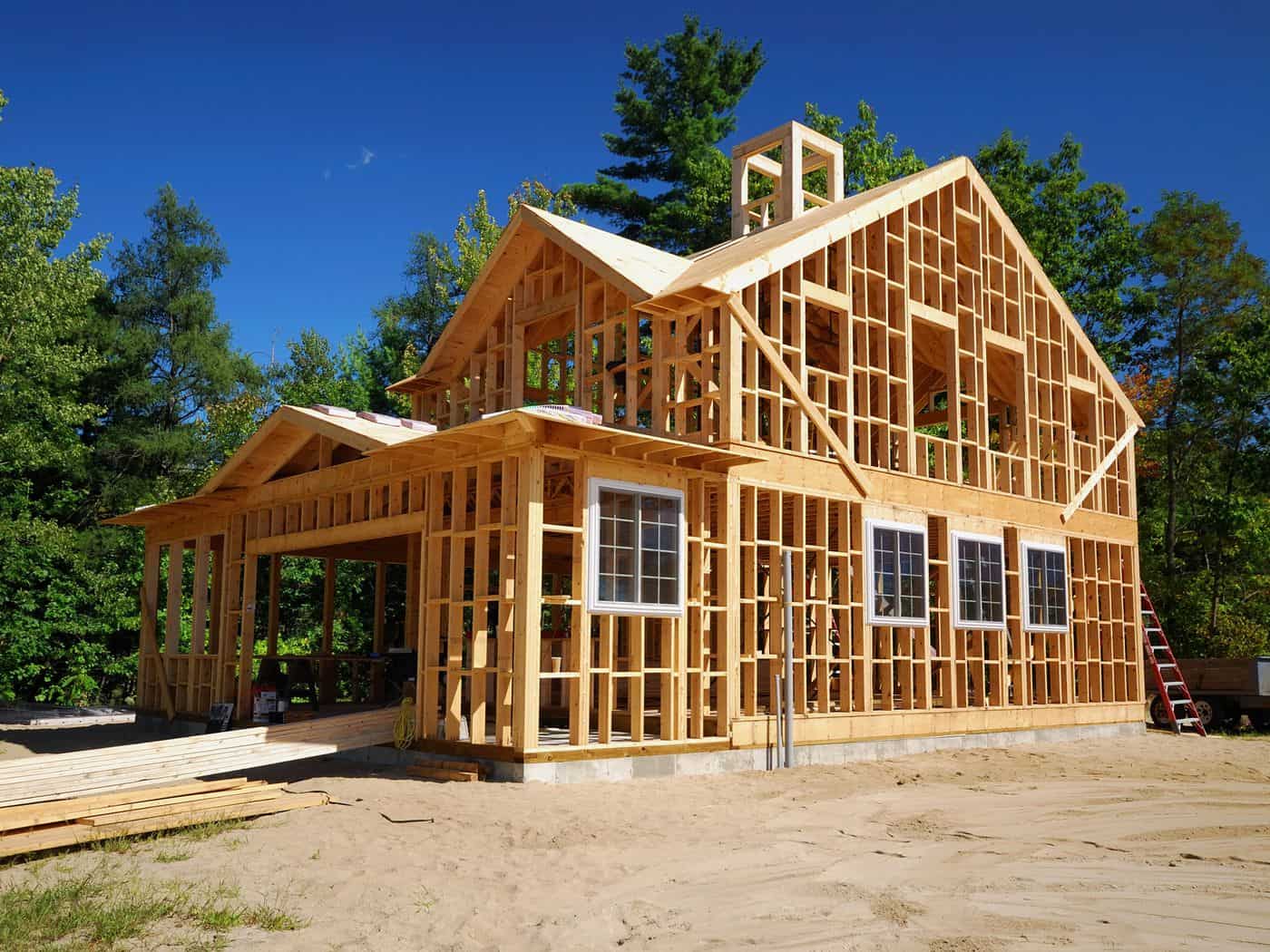
Framing inspection: Evaluates structural components before insulation and drywall cover them.
Final inspection: Reviews the completed home, including visible finishes, fixtures, systems, and other components.
Ask about the builder's process for addressing problems identified during an inspection. Find out whether repairs will be completed before closing and how you can verify that the work was done.
Even if the builder conducts its own quality checks or provides municipal inspection approvals, an independent home inspector works for you and provides another perspective on the property's condition.
7. What Does the Builder's Warranty Cover?
New construction homes often come with a builder warranty, but coverage varies. Don't assume that every component of the home is protected for the same length of time.
Ask the builder for a complete copy of the warranty before signing. Find out:
How long does coverage last?
What workmanship and materials are covered?
Are plumbing, electrical, and HVAC systems covered separately?
Are major structural defects covered?
What items are excluded from coverage?
How do you submit a warranty claim?
How quickly does the builder respond to repair requests?
Some warranties provide different coverage periods for different parts of the home. For example, workmanship, major systems, and structural components may have separate terms.
Also ask whether the warranty is provided directly by the builder or through a third-party company. Understand who handles claims and whether the warranty requires mediation or arbitration if a disagreement occurs.
Keep a copy of the warranty, inspection reports, repair records, and all communication with the builder. These documents may be important if an issue develops after you move in.
8. What Is the Closing Process?
Before signing, make sure you understand what needs to happen between the start of construction and the day you receive the keys.
Ask the builder:
What needs to be completed before the final walkthrough?
Will the home receive its required final inspections and certificate of occupancy before closing?
When will the final walkthrough take place?
What happens if unfinished work or defects are discovered?
When will I receive the final closing figures?
What costs should I expect to pay at closing?
When will I receive the keys and be able to move in?
Make sure you understand whether closing can occur before all cosmetic or other outstanding work is completed, and how any remaining work will be documented and handled.
Review your Closing Disclosure carefully and compare it with your Loan Estimate. For most mortgage loans, you must receive the Closing Disclosure at least three business days before closing. Use that time to ask questions about any unexpected charges or changes to your loan terms.
9. Who Is Responsible for Problems After I Move In?
Even when a home passes its final inspection, you may notice issues after moving in. A door may not close properly, a fixture may not work as expected, or a small problem may become noticeable once you've lived in the space.
Before closing, ask the builder how post-closing service requests work.
Is there a dedicated warranty or customer service department?
How do I submit a repair request?
Are there deadlines for reporting certain issues?
How are urgent repairs handled?
Will I receive written confirmation when a repair request is completed?
During your final walkthrough, document any incomplete work, visible damage, or items that need attention. Take photographs and make sure outstanding items are recorded in writing, with clear expectations for when and how they will be addressed.
Don't rely solely on verbal promises. Keep copies of all agreements and follow-up communications.
10. Should I Have an Attorney Review the Builder's Contract?
A builder's purchase agreement may be different from the standard resale contract you would encounter when buying an existing home. It may include specific provisions covering construction timelines, deposits, change orders, inspections, warranties, and dispute resolution.
Before signing, consider having an independent real estate attorney review the agreement. An attorney can help you understand the terms, identify provisions that deserve closer attention, and explain how state and local requirements may apply.
Pay particular attention to:
Deposit amounts and refund conditions
Construction deadlines and permitted extensions
Change-order procedures and additional costs
Inspection rights and repair obligations
Warranty terms and exclusions
Cancellation rights and potential penalties
Dispute resolution, mediation, and arbitration provisions
Make sure you understand the contract before signing. If a builder makes a promise about a feature, upgrade, completion date, or repair, ask for it to be included in the written agreement or appropriate addendum.
Make Sure You Know What You're Buying
Buying a new construction home can give you the opportunity to enjoy modern features, new materials, and a space that fits your preferences. But the excitement of a brand-new home shouldn't replace careful research.
Before signing, get clear answers about the purchase price, included features, upgrades, lot costs, incentives, inspections, warranties, and construction timeline. Review the builder's contract carefully and make sure important promises are documented in writing.
The more you understand before committing, the better prepared you'll be to make decisions throughout the building process.
Cribbed helps buyers and sellers connect directly and access useful information as they navigate the real estate process. Whether you're considering a newly built home or comparing it with an existing property, asking the right questions is an important part of making an informed decision.